· Nathan Marsak · 3 min read
208 N. Crescent Dr., Beverly Hills
A modest, vaguely storybook, half-timbered house in Beverly Hills — the kind of graceful understatement money used to buy — is headed out. Beverly Hills isn't what it used to be.
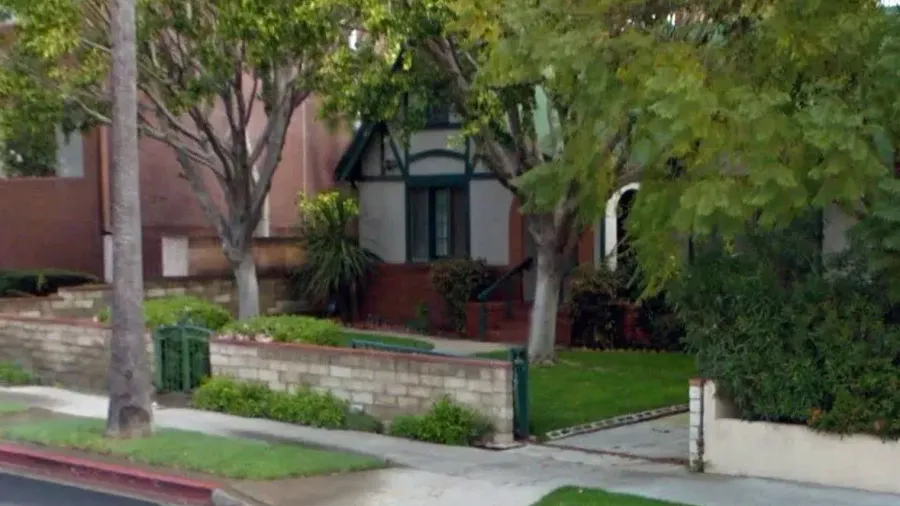
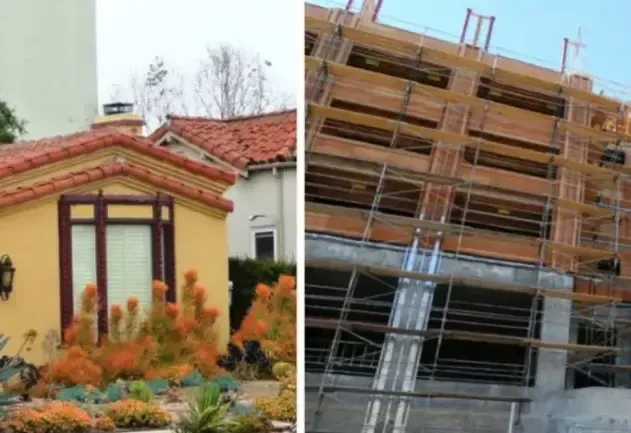
208 North Crescent Drive in Beverly Hills just came over the transom…
Were I to live in the area (and park my money with Commerce Bank of Beverly Hills, naturally) why would I choose to be hemmed into some high-rise multi-unit? Or worse, a McMansion with gold columns and a heliport, or whatever gauche accoutrements the nouveau riche favor today.
Rather, a modest, vaguely-storybook, half-timbered little house in Beverly Hills would be the epitome of ease and grace. Sadly, Beverly Hills isn’t what it used to be. But what is.
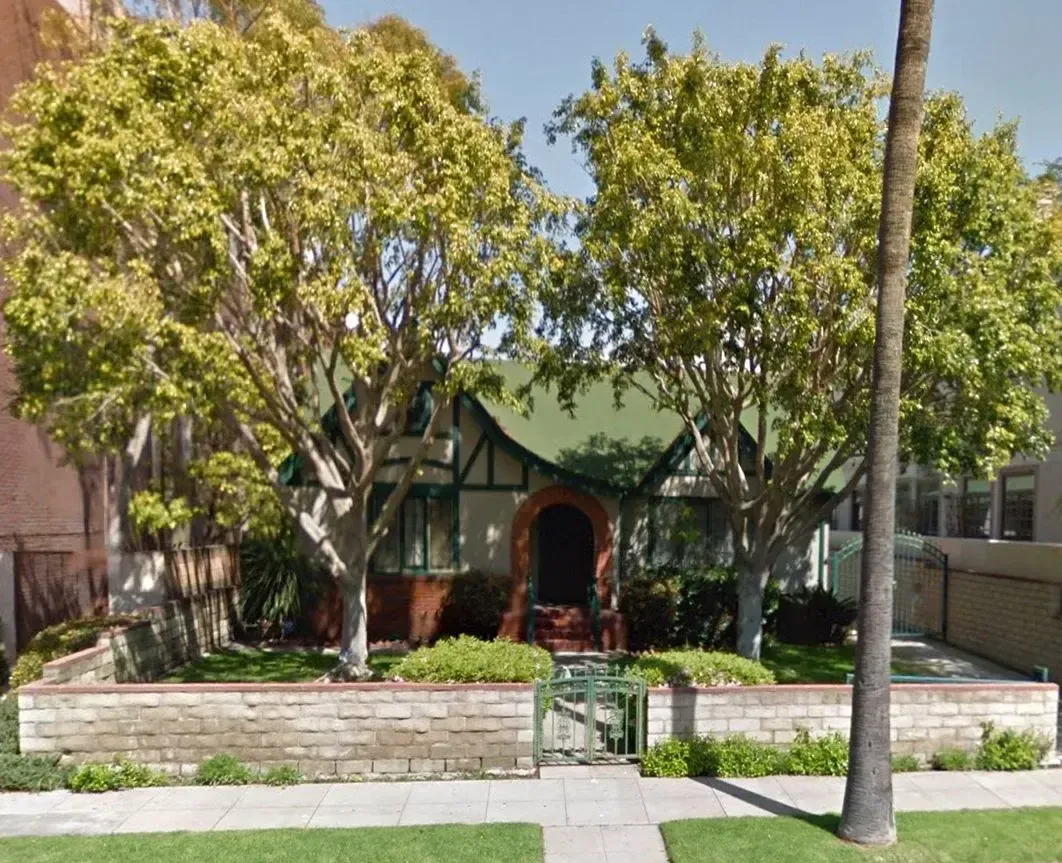
Read all about it, in this cut-and-paste from a Facebook post by Beverly Hills Heritage:
The last remaining single-family residence on North Crescent Drive, between Wilshire and Santa Monica Boulevards, will be razed and replaced by a four-story, 10-unit apartment building, if, as expected, the City Council approves the Planning Commission’s recommendation to go ahead with the project. The home, a mock-Tudor cottage at 208 North Crescent Drive, was built by Daniel Quinlan, a Beverly Hills real estate pioneer who, in 1919, purchased the Beverly Drive Garage, then the only filling station between Fairfax and Sawtelle. It was located approximately where the Sterling Plaza Building now stands, just east of the northeast corner of Beverly Drive and Wilshire Boulevard.
After the Beverly Hills Speedway opened, Quinlan serviced the race cars at his garage. He invested the money he earned from that endeavor in real estate, building the city’s first movie house, the Beverly Theatre, on North Beverly Drive, just around the corner from the garage, in 1924. He opened a real estate office in one of the theatre’s retail storefronts, selling land to theatre patrons. He built his Crescent Drive house in 1928, where his daughter continued to live until 2005. The house was found ineligible for preservation under federal, state, and local laws.
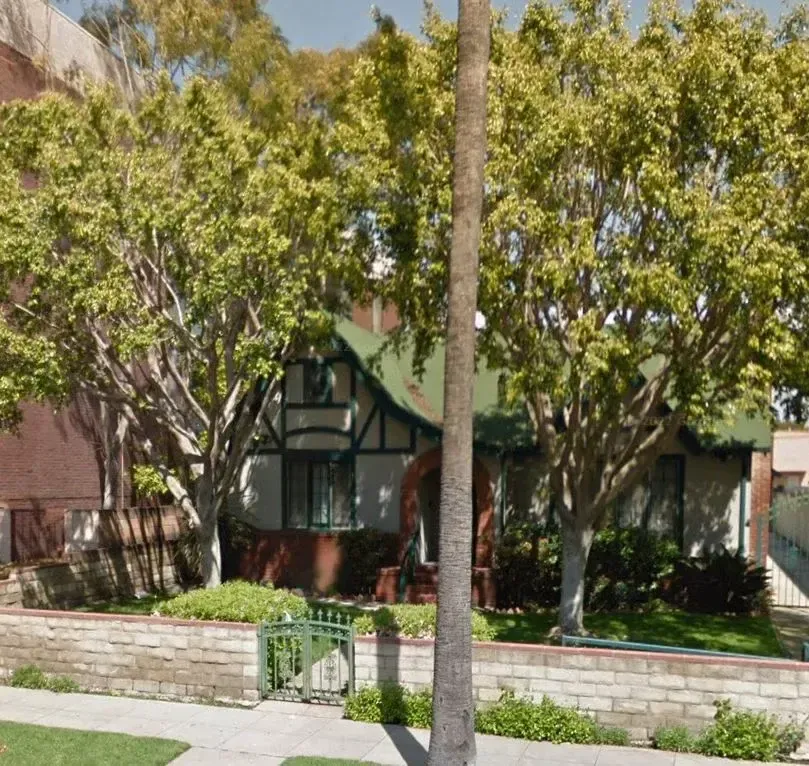
This little gem is already hemmed in by apartment buildings, so naturally what you need there is an apartment building:
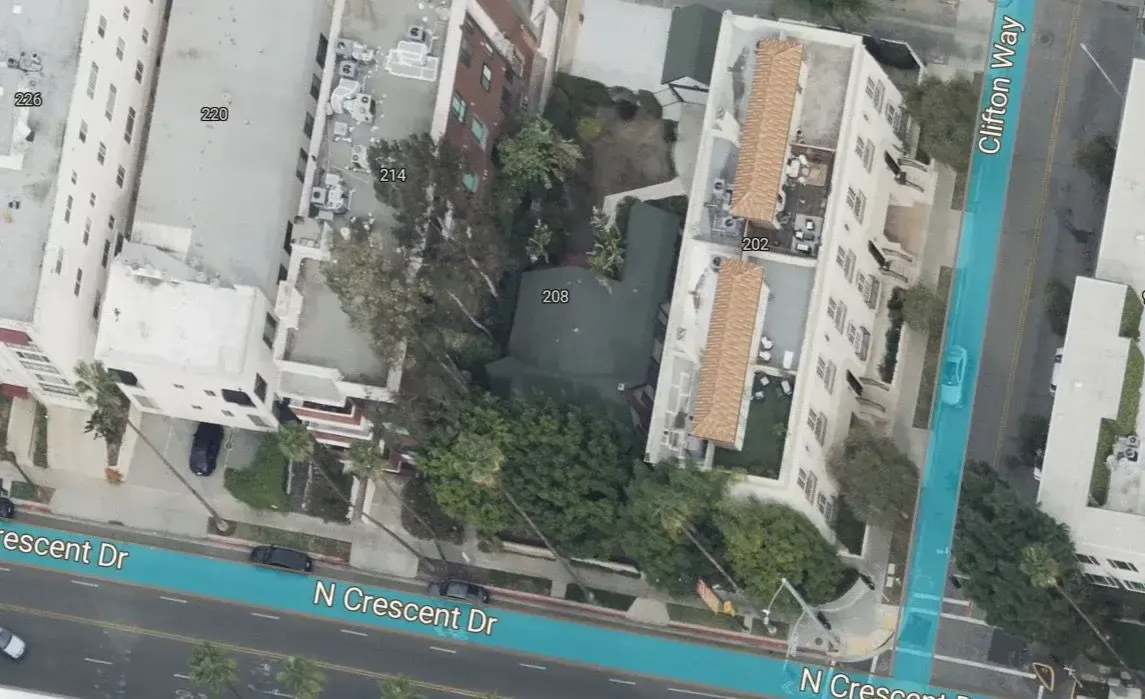
It will be replaced by this, of course, because why wouldn’t it.
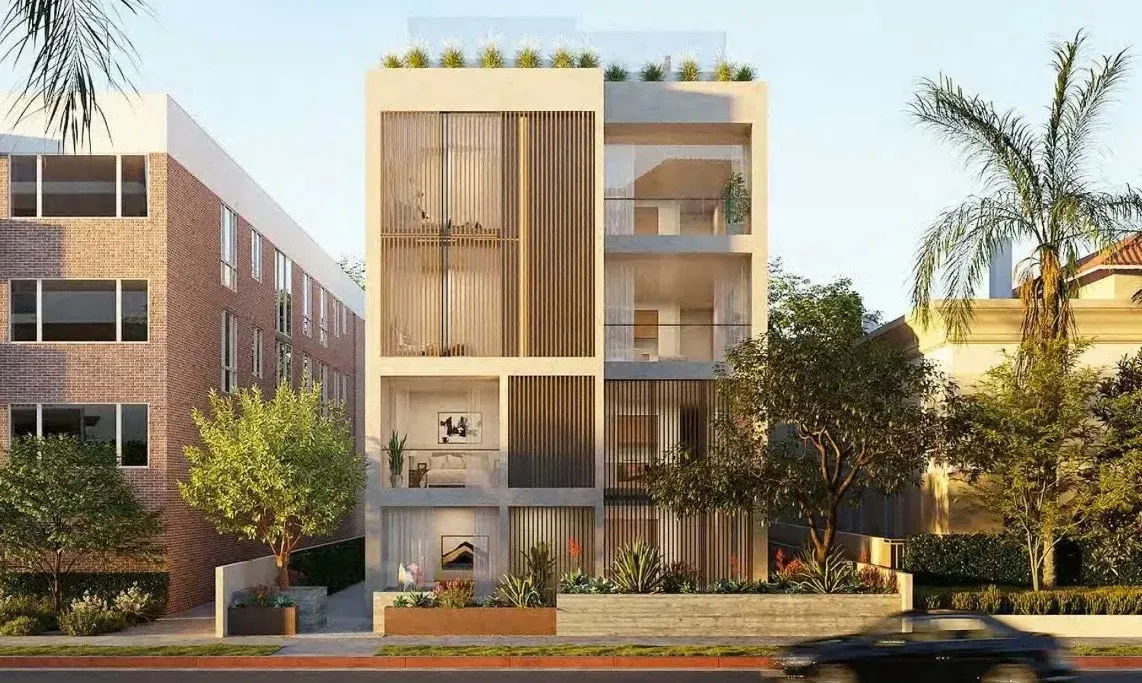
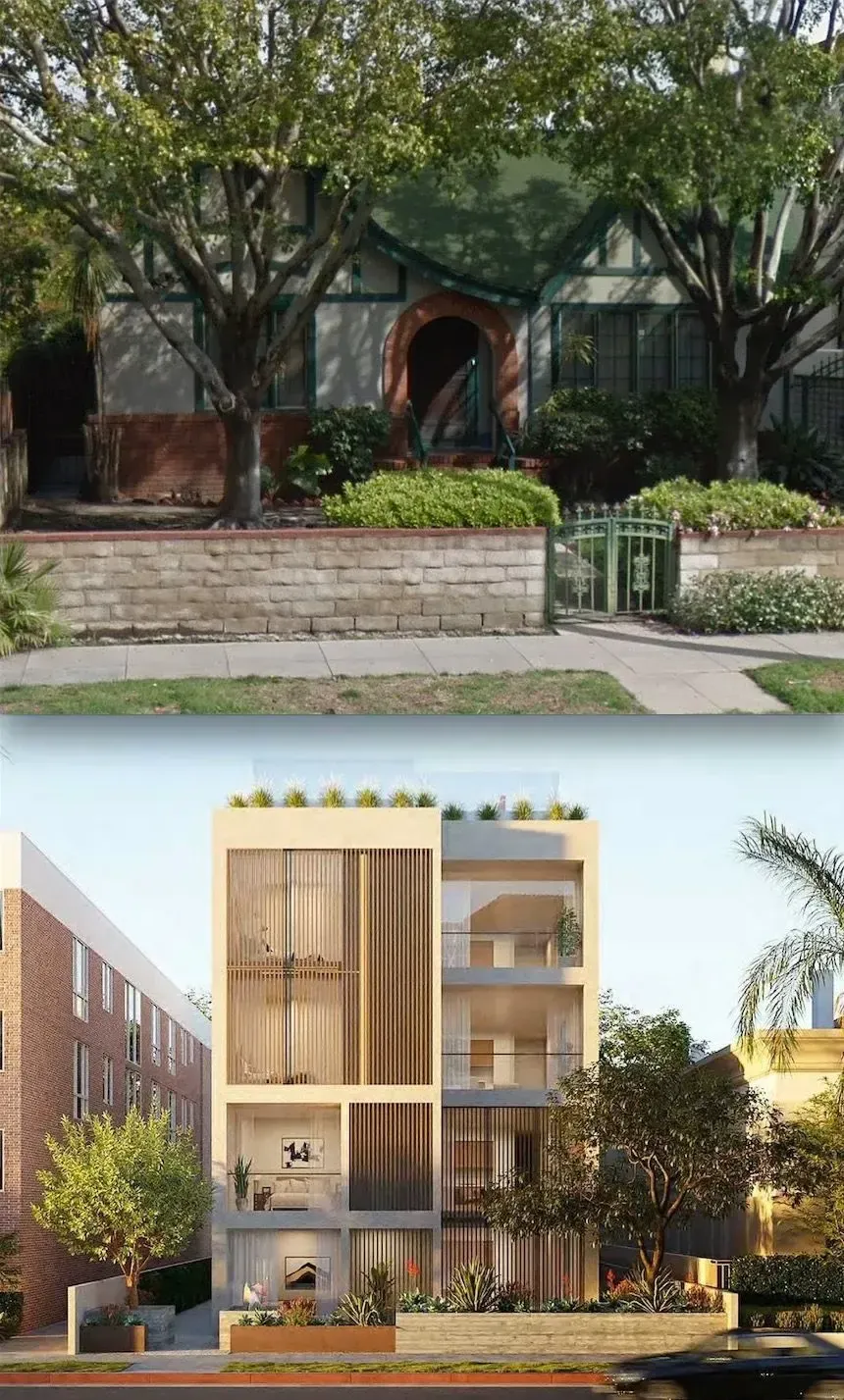
These sort of homes once made Beverly Hills attractive, different. Those things are anathema to the present, so it must go. We’ll ignore the obvious importance of this little house having been built by a Beverly Hills real estate/auto/theater pioneer, because everyone knows real estate, the automobile, and movies have no part in the story of Los Angeles! And hints of Tudorbethan architecture are just so offensive to modern sensibilities, after all.
To the landfill with you!