· Nathan Marsak · 3 min read
The Cecil is the City’s Fault
Where the story goes sideways is all on our end. The Office of Historic Resources was given materials by the developer with which to determine the validity of painting over the eighty-year-old sign.
Hotel Cecil Whitewash, Part II
For Part I, click here.
Let me be clear. I’m not mad at the developer. The developer was only doing what developers do. They’ve got an ROI to look after.
Where the story goes sideways is all on our end. The Office of Historic Resources was given materials by the developer with which to determine the validity of painting over the eighty-year-old sign. Let’s look at them.
But first, let’s understand the basics:
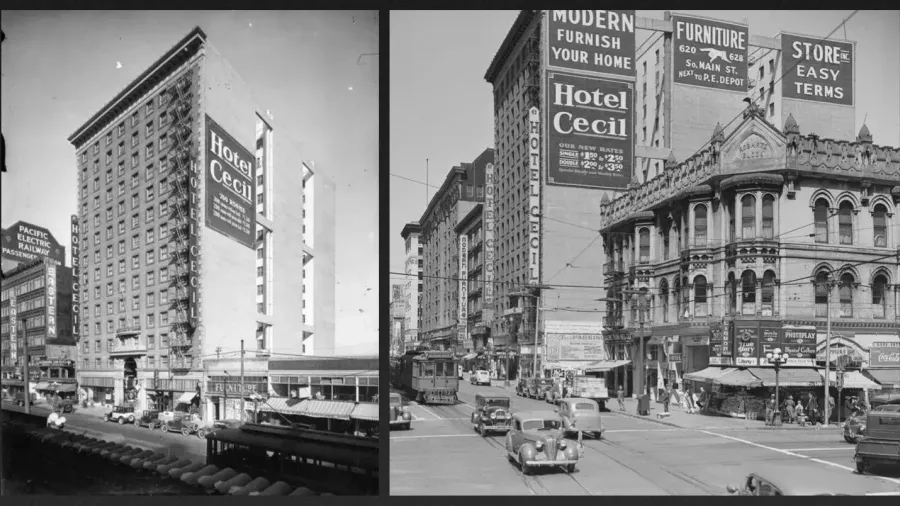
There were two versions of the sign. The first sign was painted soon after the building opened, in 1924. It looked like this:
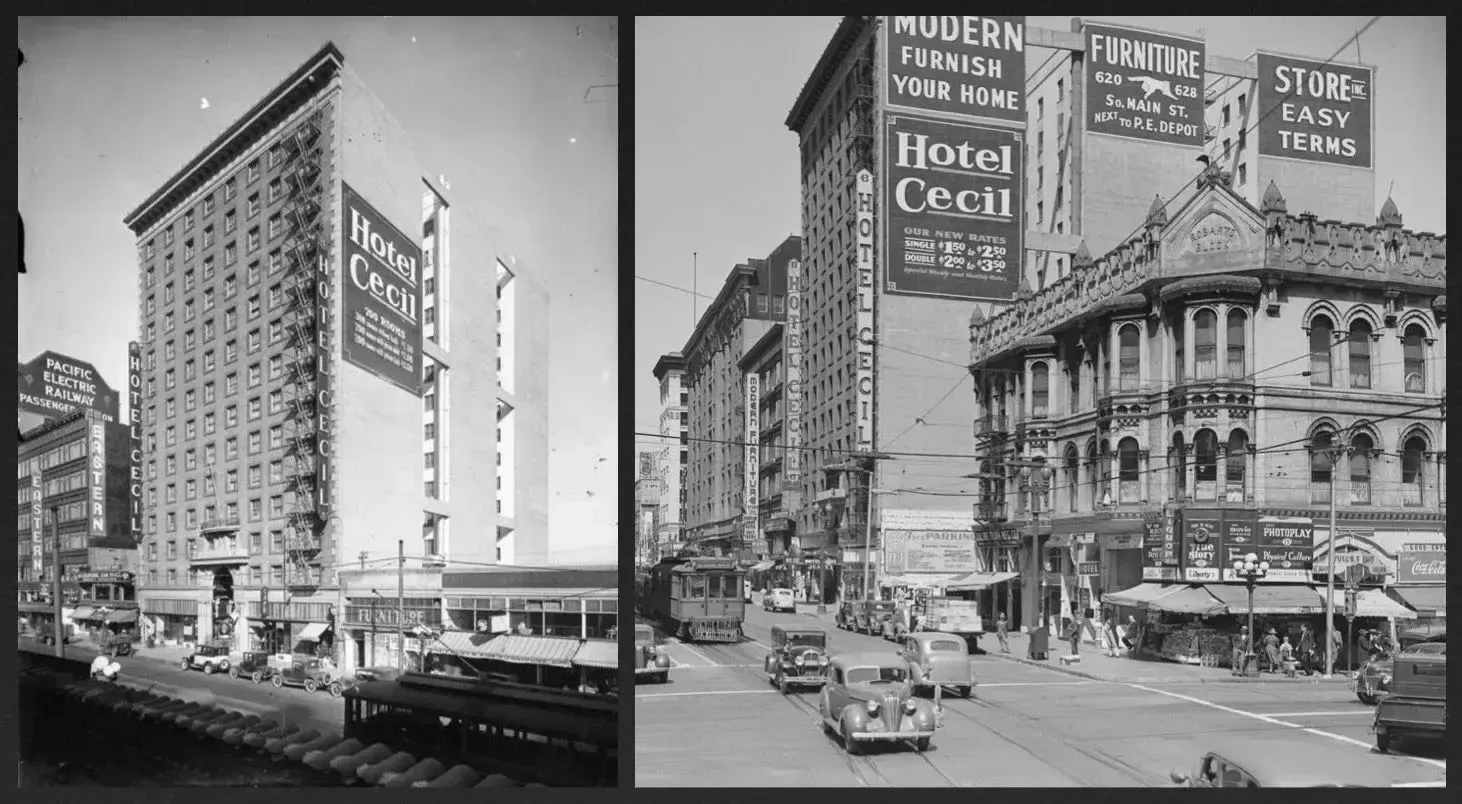
Ca. 1927 and 1938
Then the sign was repainted about 1940 (most likely, when the Cecil became part of the Alberts Hotel chain in early 1941). It looked like this:
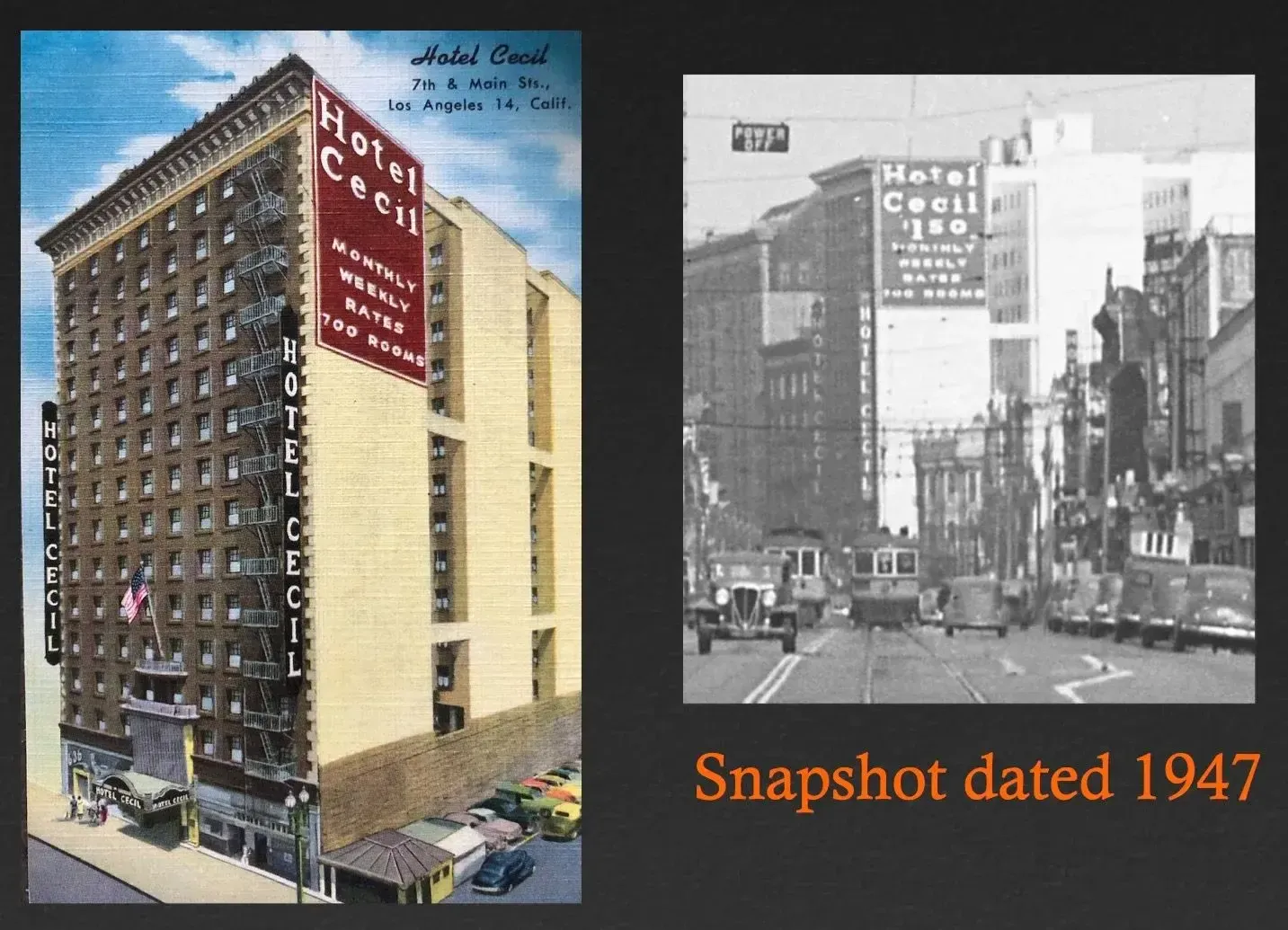
The Office of Historic Resources was provided material, however, indicating that the first version was the only one that mattered. That the red sign, pictured above, which had towered over Main Street for the last eighty-some years, had no historic value or meaning. From the evidence presented to OHR, it could be argued, that sign didn’t even exist.
Now, let’s look at the material presented to OHR, for example, this report:

And specifically, this page of said report:
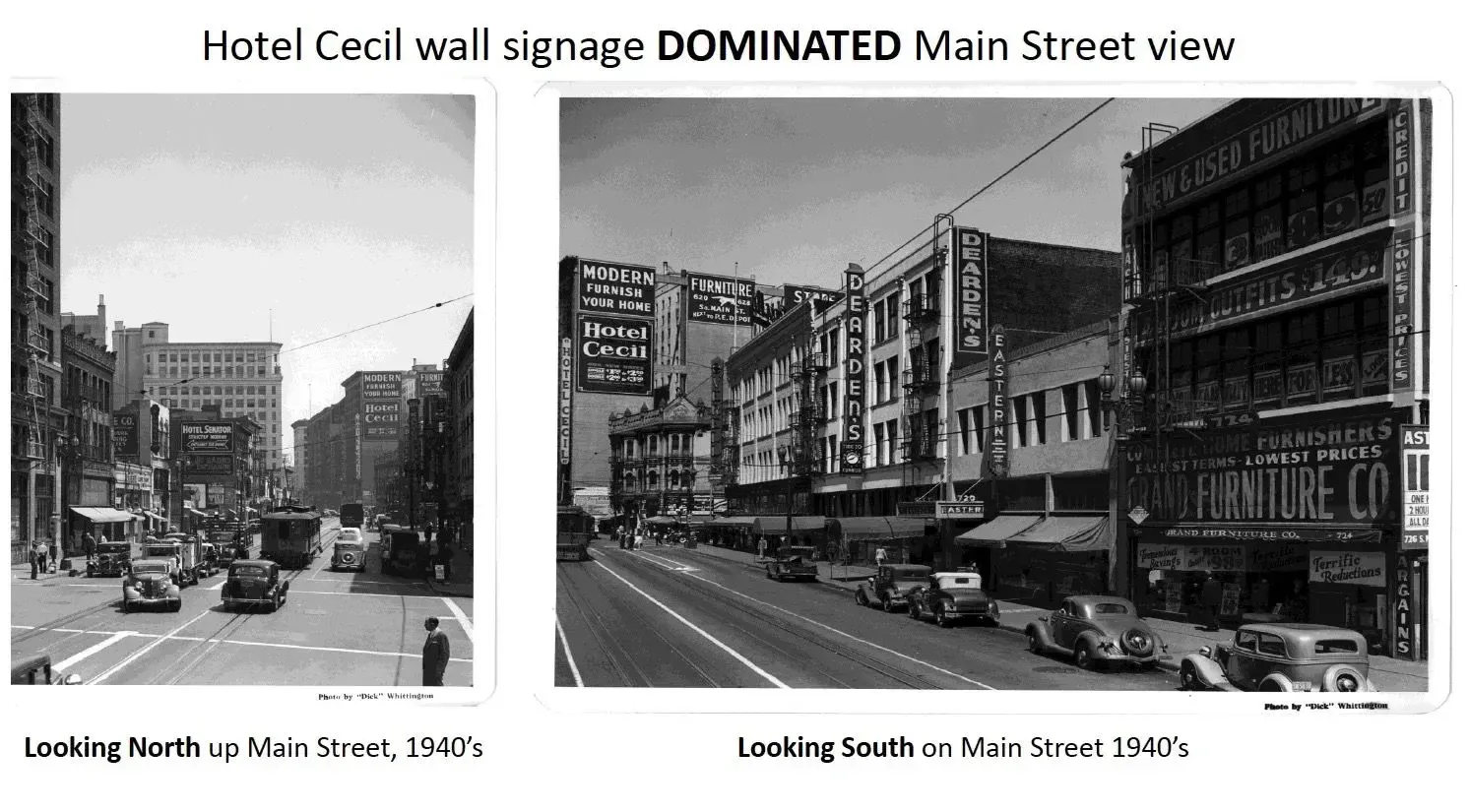
Not 1940s, not looking south, but, nice use of all caps
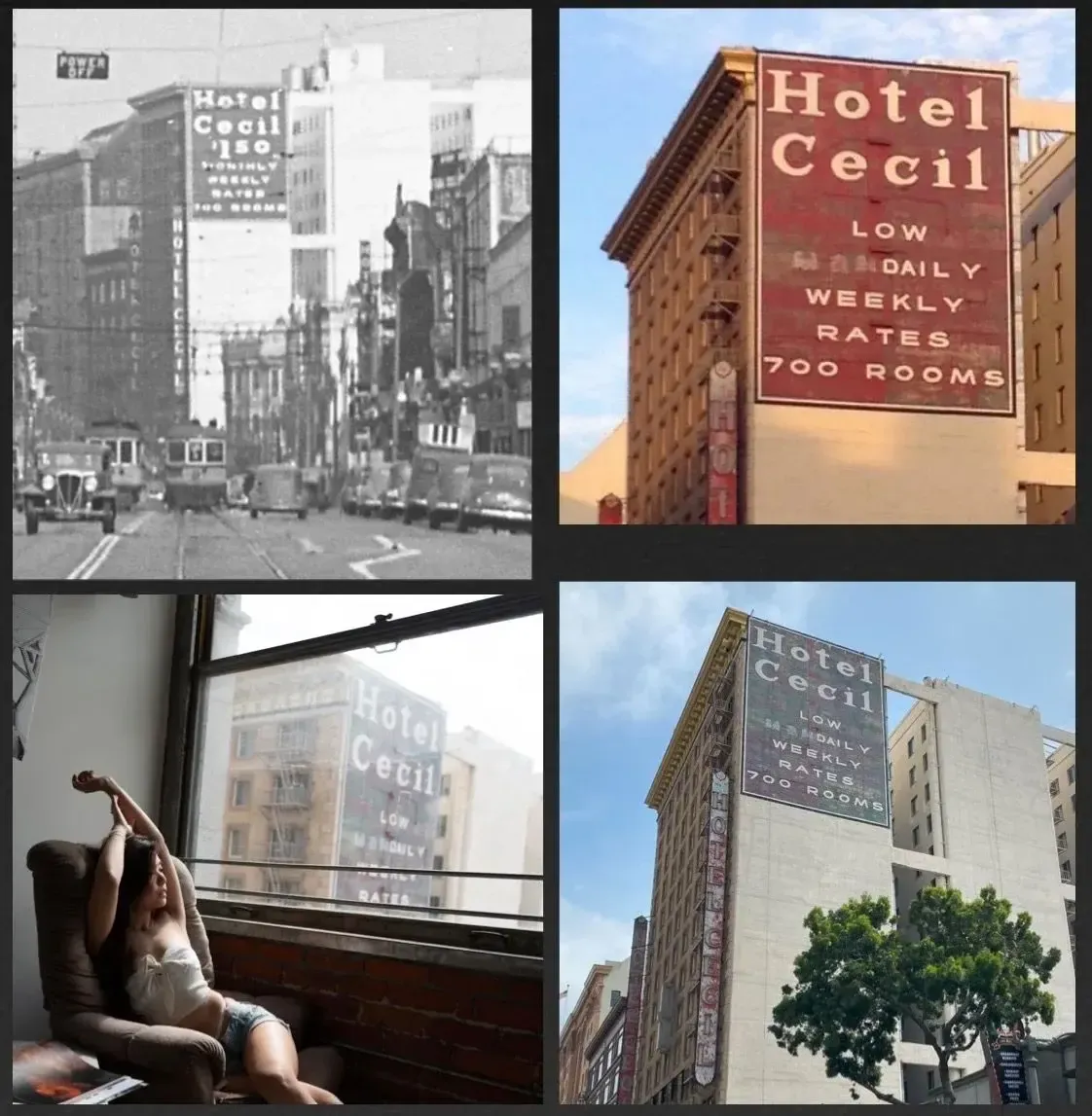
While there are numerous contemporary shots of the Cecil throughout the Historic Consultants report, there are none showing the just-painted-over 1940s wall signage. Why then did HC only include shots of the first version of the signage? They utilize images from the 1930s to do so. Which they mysteriously label 1940s. (A close look at the license plates reveal these images were captured in 1939—there’s no excuse for such a rookie mistake.) I won’t even go into the fact that that second shot doesn’t look south on Main, but north—all that may be just basic incompetence, but disincluding the historic Cecil signage in general is just…wrong.
Now then, let’s look at the other paperwork OHR used in their “not historic” determination.
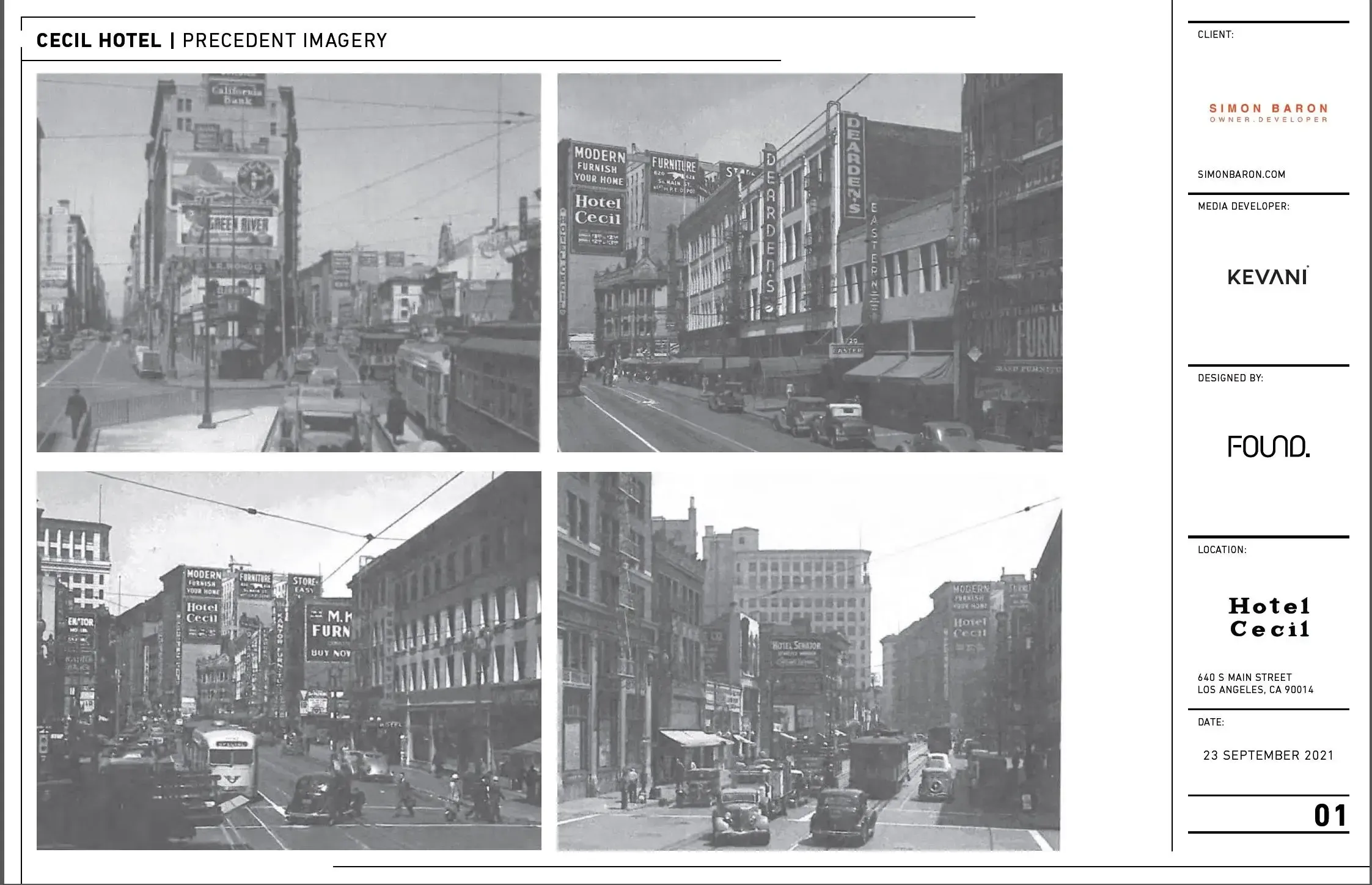
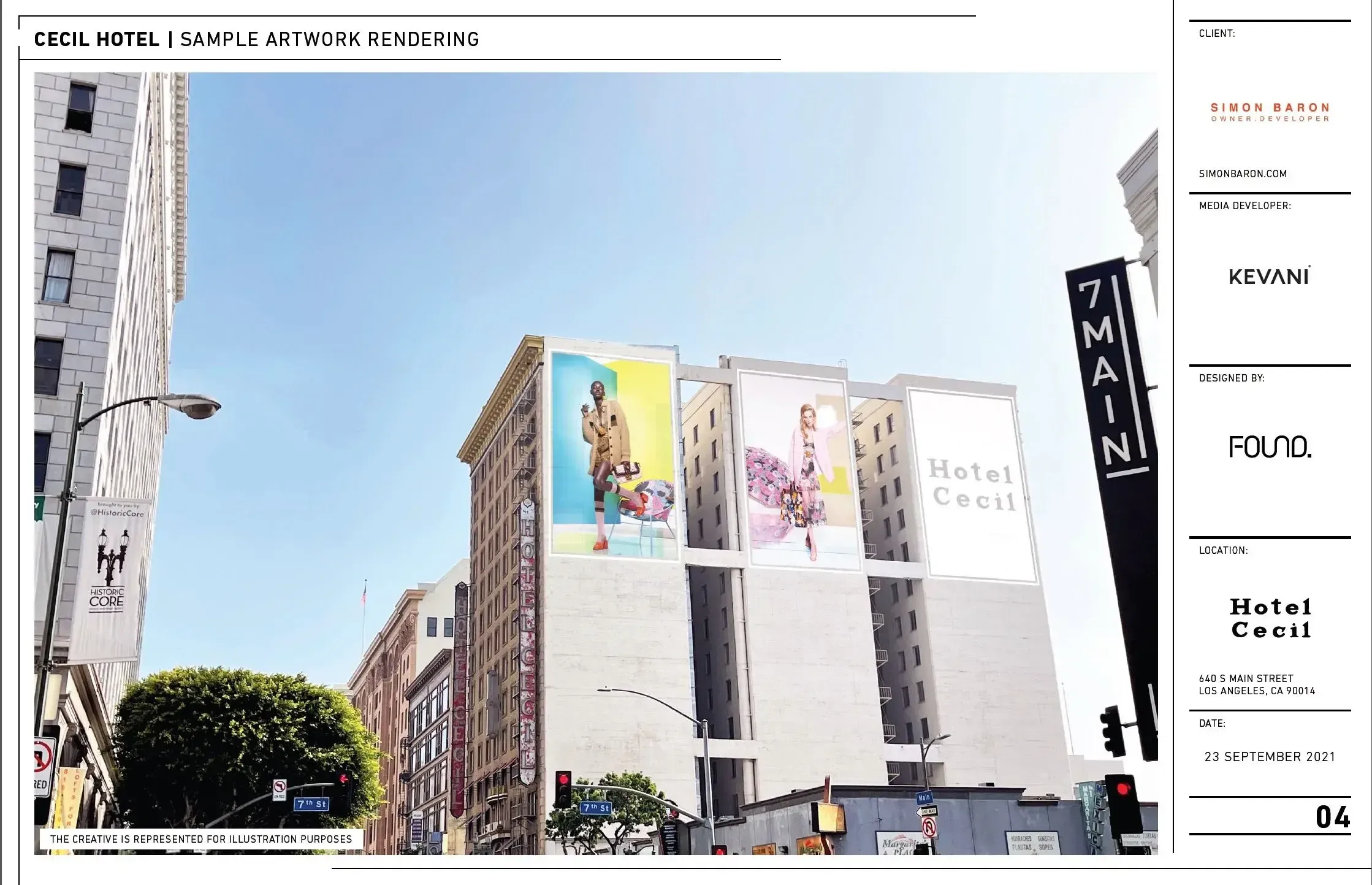
Again, note its cover page (with “precedent imagery”) includes four images of the initial 1924-1940 sign. Again, zero shots of what Simon Baron actually painted over, after OHR’s blessing:
This was done despite this wall sign specifically being called out in the Historic-Cultural Monument paperwork:
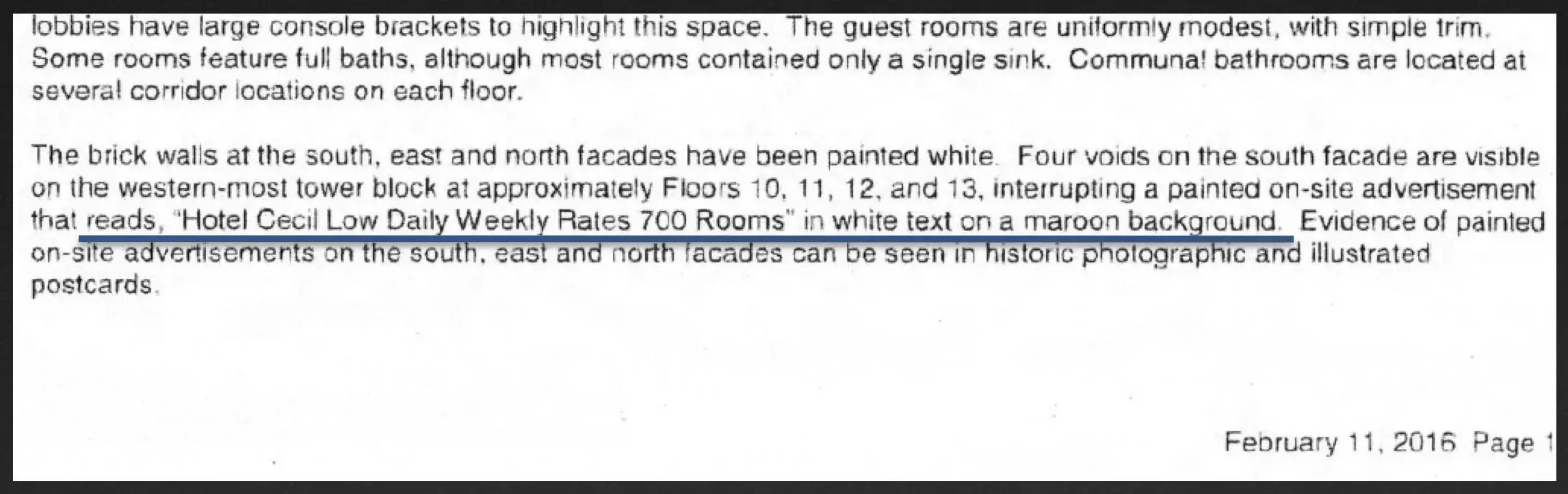
Thus, we have a character-defining feature of an HCM removed without review; the matter never went to commission and was never permitted. The Cecil is Mills Act so the removal was—money being fungible—paid for by tax savings intended only for work performed under the highest scrutiny vis-à-vis the Secretary of the Interior’s Standards for the Treatment of Historic Properties and the California Historical Building Code.
But at the end of the day, despite its documented importance, OHR determined the eighty-year-old sign was not historic and signed off on its whitewashing in place of modern advertising. This is our doing. And it has to stop.