· Nathan Marsak · 5 min read
Trebek's House!
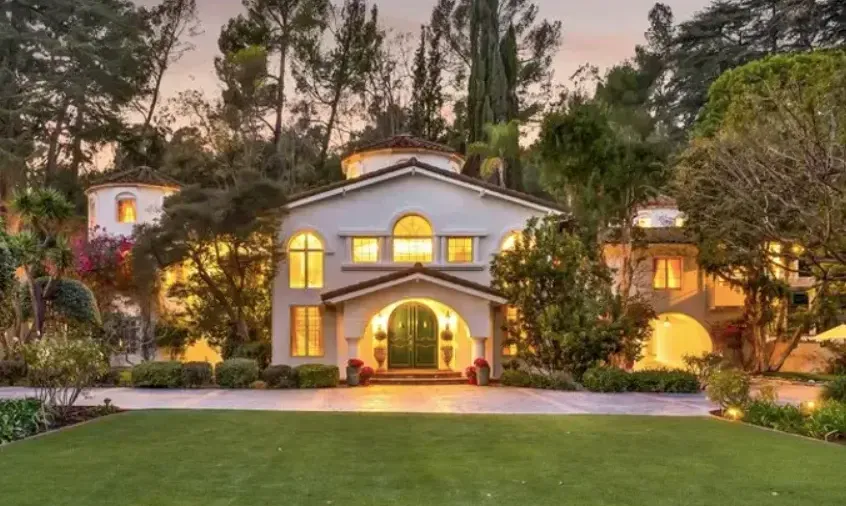
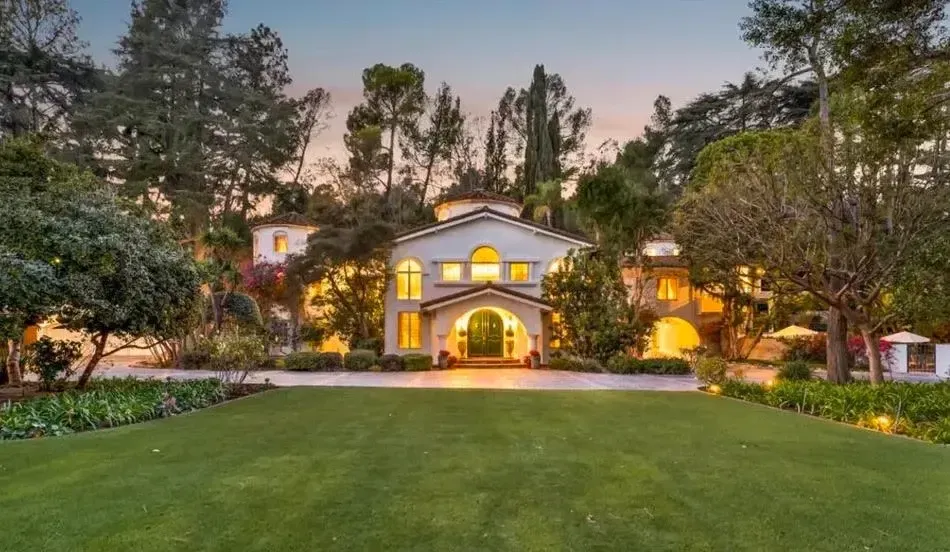
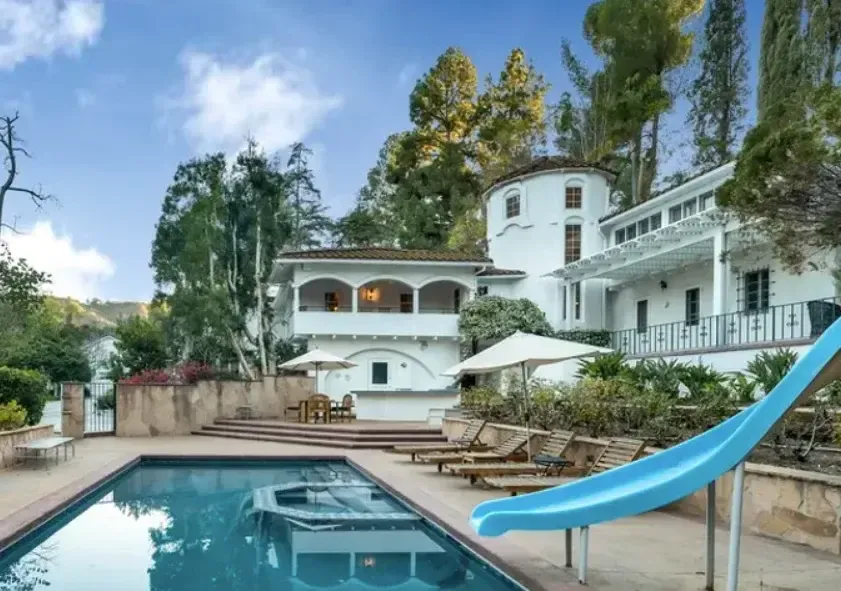
Alex Trebek's former home — the 1923 Walter P. Story estate at 3405 Fryman Road in Studio City, a masterwork of Spanish architecture with genuine historical pedigree — was demolished while nobody was looking.
Folks have been turning their attention toward Marilyn Monroe’s former Brentwood home, myself included, having penned Marilyn’s House! on this very site. I would assert that even if Fifth Helena hadn’t been Monroe’s residence, it’s such a striking 1929 Spanish house that there should have been some real work put into investigating its merit before a demolition permit was issued.
Today, though, I’m going to talk about another celebrity’s house: the late Alex Trebek’s.
You might argue that Trebek wasn’t 1/100th the star or talent Monroe was; you may be right. That said, I’d guess most people (like myself) have watched 100 times the total hours of Trebek on television than Monroe on film. And while Trebek wasn’t the titan Monroe was, at least Trebek never made anything as bad as Bus Stop.
Point being, Trebek’s house was demolished over the last couple days. More to the point, Trebek’s former home—a 1923 Spanish number by a master architect and with historical pedigree—was demolished over the last couple days, and you should know about it.
We speak of the Walter P. Story estate, more specifically known as the Major General Walter P. Story Country Estate, formerly located at 3405 North Fryman Road.
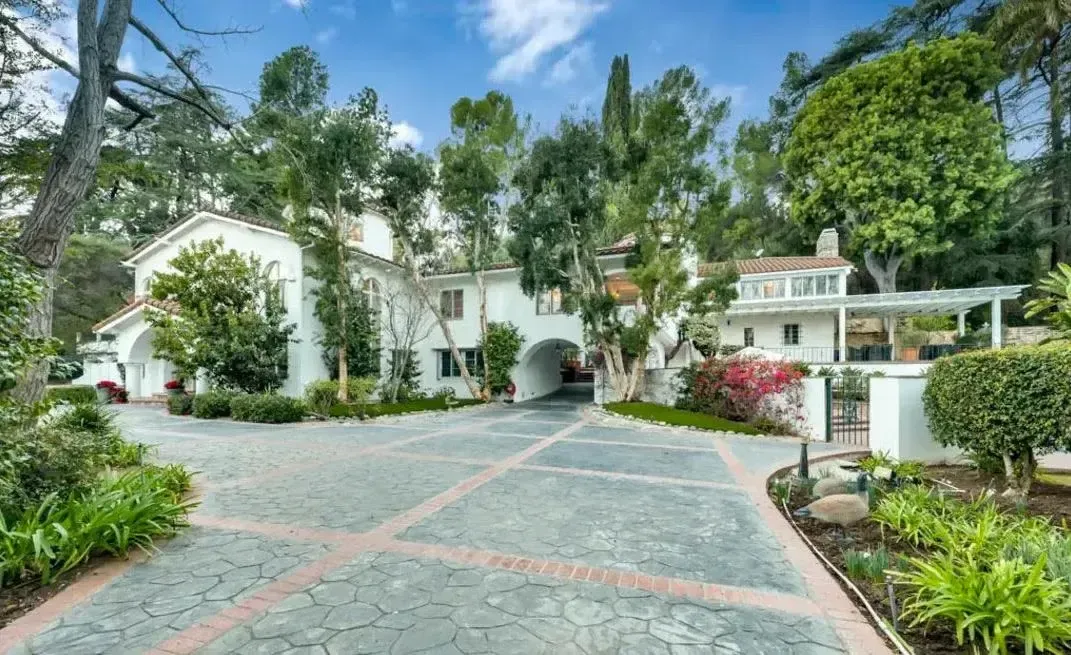
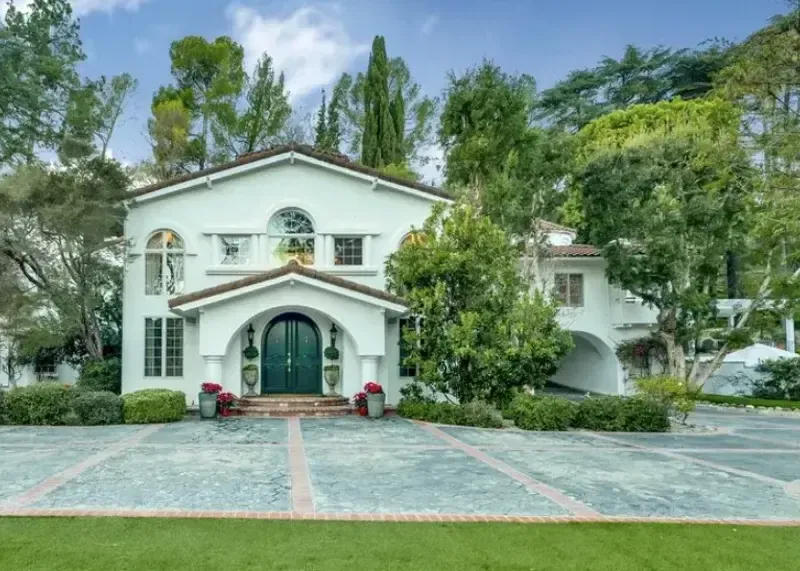
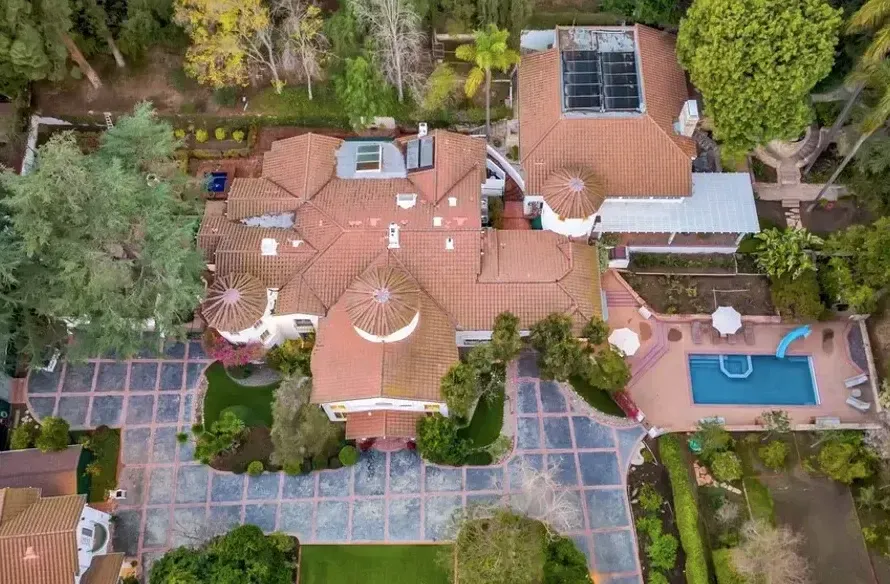
The short version of the backstory: Nelson Gile Story, of Bozeman, Montana, made a fortune in mining and cattle. He came to Los Angeles and, among his other endeavors, in 1895 purchased the southeast corner of Sixth and Broadway. This he gifted to the youngest of his three sons, Walter Perry Story.
In 1908 father and son embarked on the construction of the magnificent Walter P. Story building, designed by Morgan & Walls, and which stands to this day. Atop his eponymous building, he built a 5-room penthouse bungalow; first penthouse in Los Angeles. That penthouse bungalow was so lavish it inspired James Oviatt to build a penthouse atop his eponymous building. Here and here are images of the W. P. Story building penthouse in 1945 (though I have not seen its contemporary state personally, I have on good authority its interior is today nothing but graffiti and trash).
In 1921 W. P. and his brother Thomas Story erected the Stock Exchange on Spring Street. To read a detailed account of Story, please see Paul R. Spitzzeri’s wonderful post on the Homestead Museum blog. W. P. Story also had an illustrious military career, which you may read about here.
In 1923 Story purchases a 16-acre plot of land off Laurel Canyon in Studio City, and built a large Spanish Colonial Revival estate. It was of enough importance to be featured in Architectural Digest in 1925.
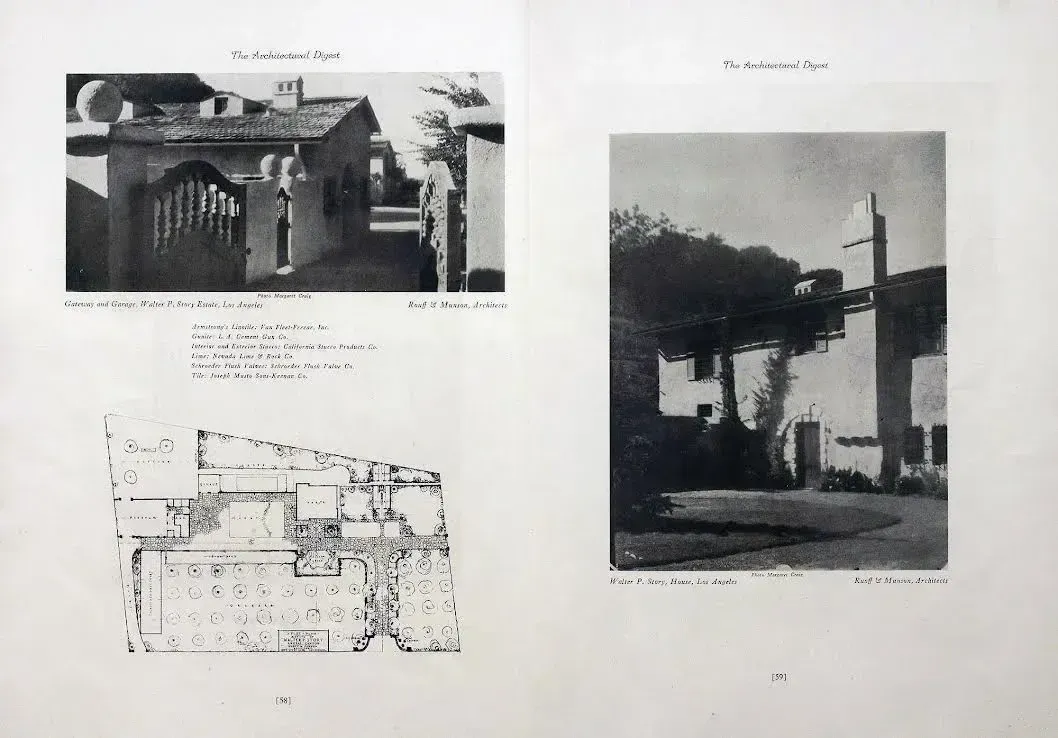
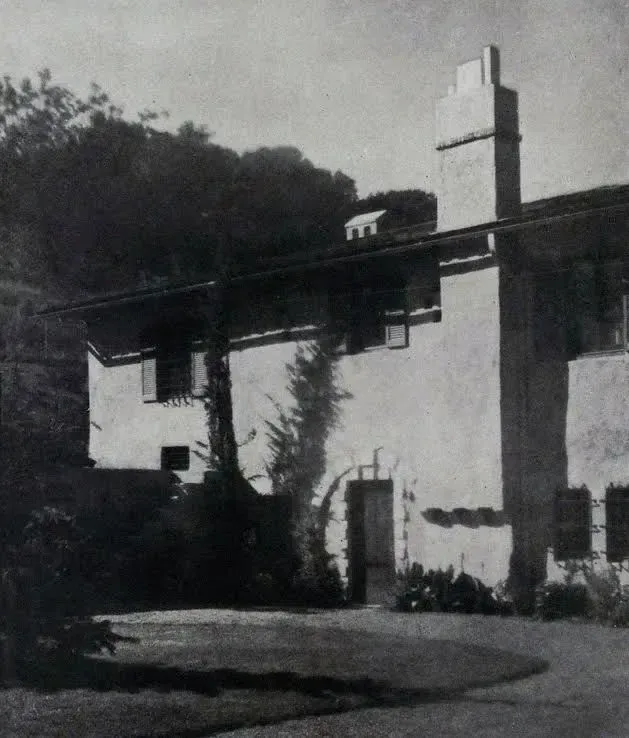
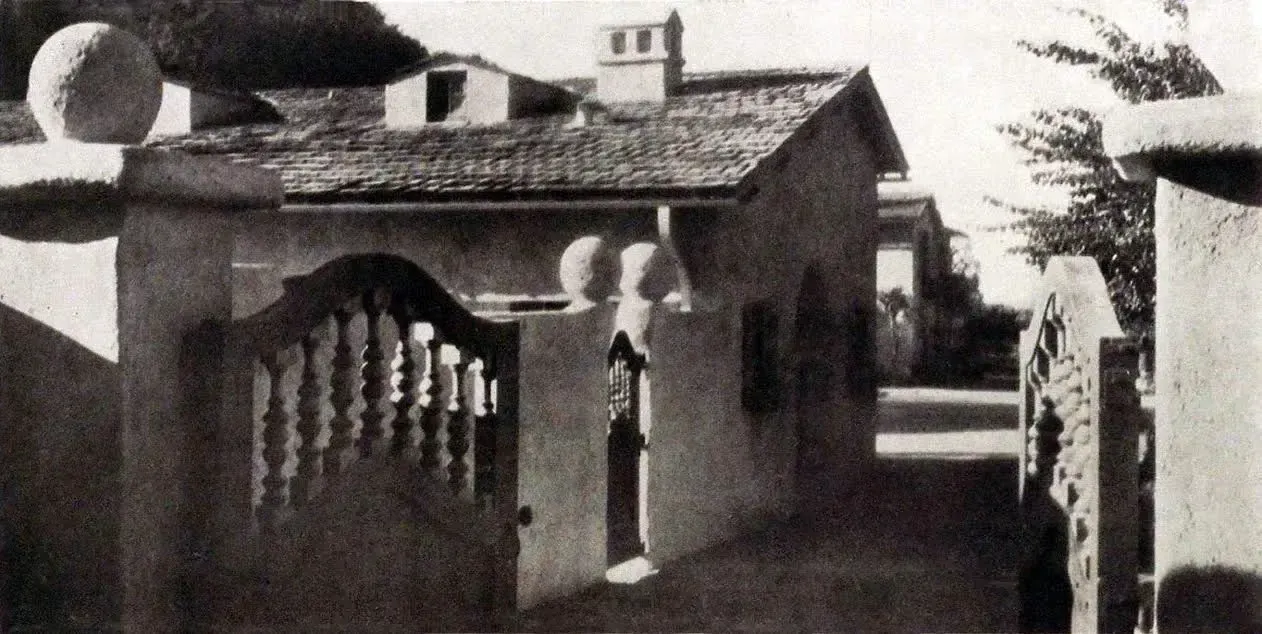
The architectural firm for the Story Estate was Ruoff & Munson, comprised of Allen Kelly Ruoff (12 March 1894 – 15 November 1945) and Arthur Case Munson (10 December 1886 – 28 April 1969).
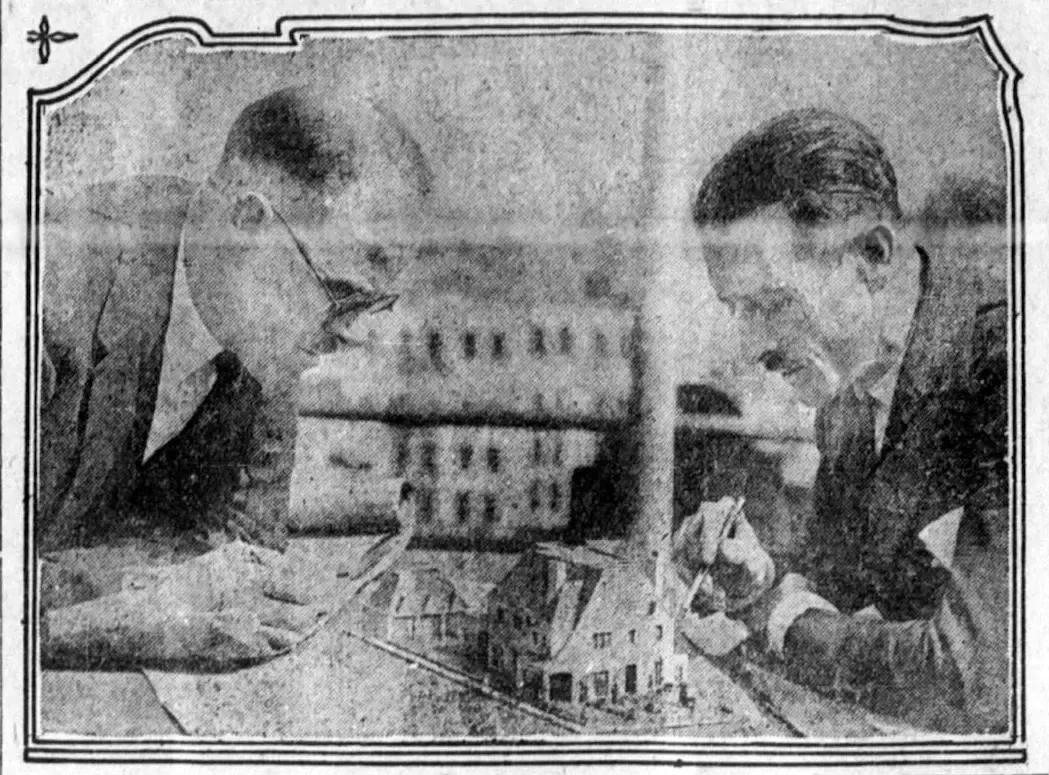
A. C. Munson (left), Allen Ruoff (right)
Ruoff & Munson worked primarily, though not exclusively, in the Spanish vernacular, such works featured again in The Architectural Digest, for example, the incredible estate of Wyoming oilman Eugene T. Williams in La Habra Heights:
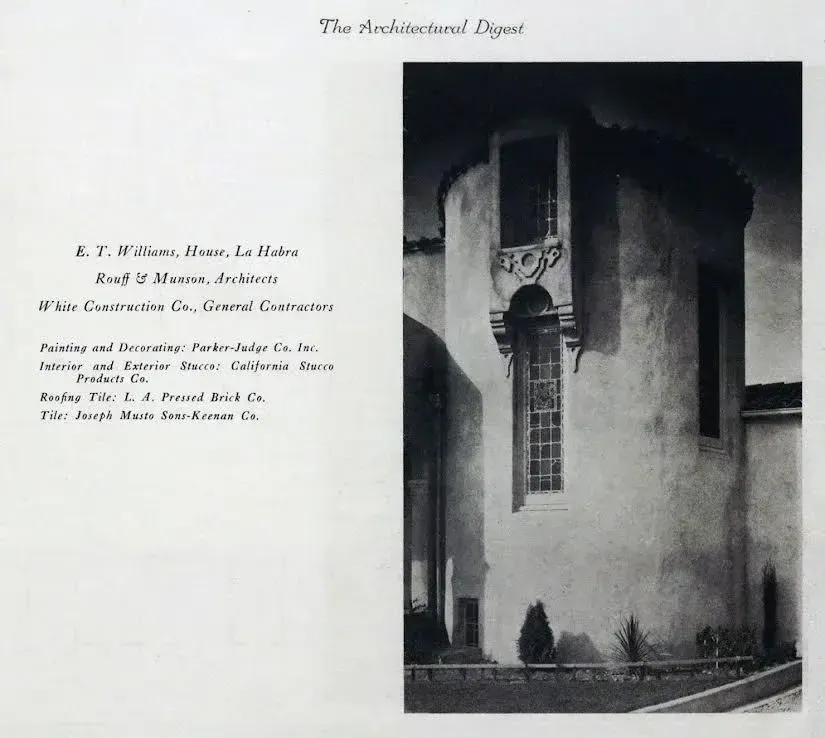
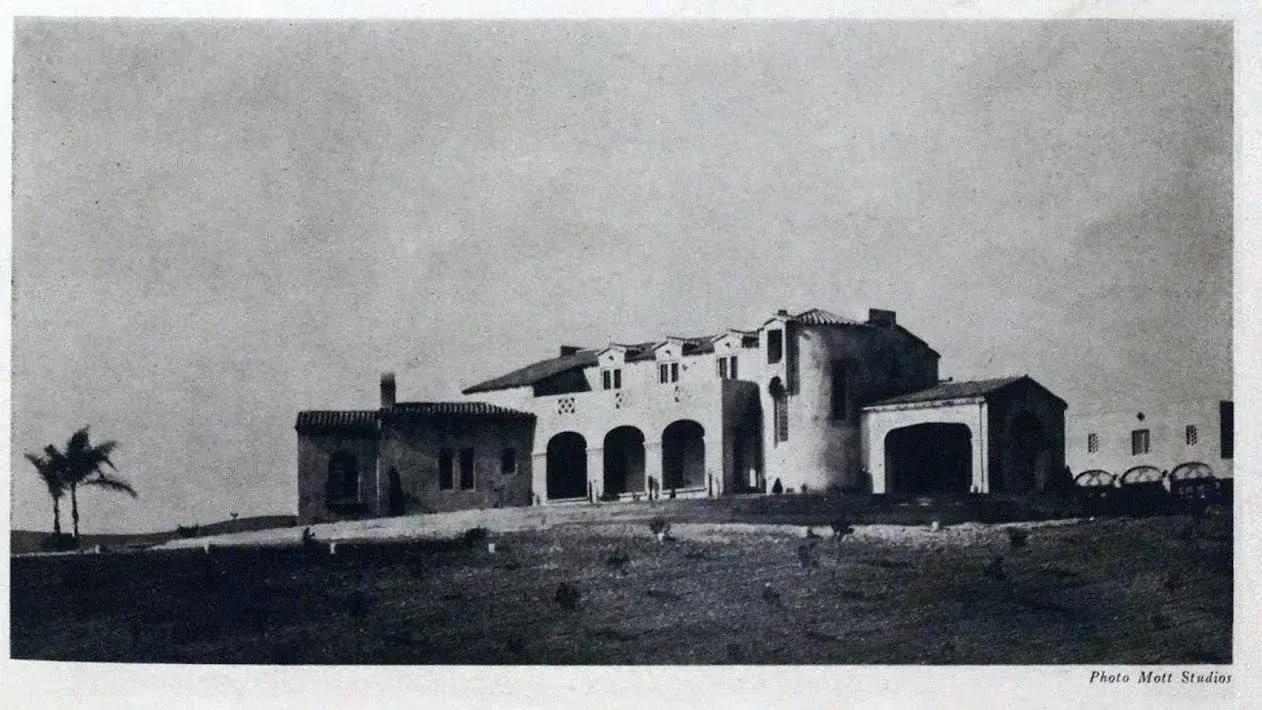
After Ruoff and Munson dissolved their partnership in January 1926, Ruoff was featured any number of times—
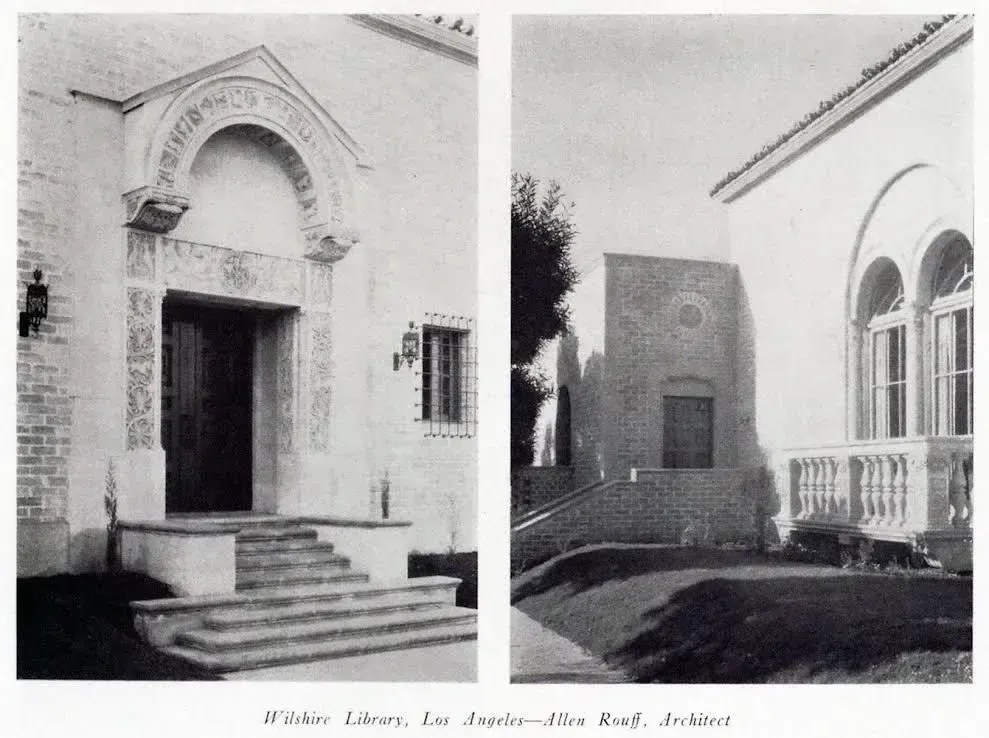
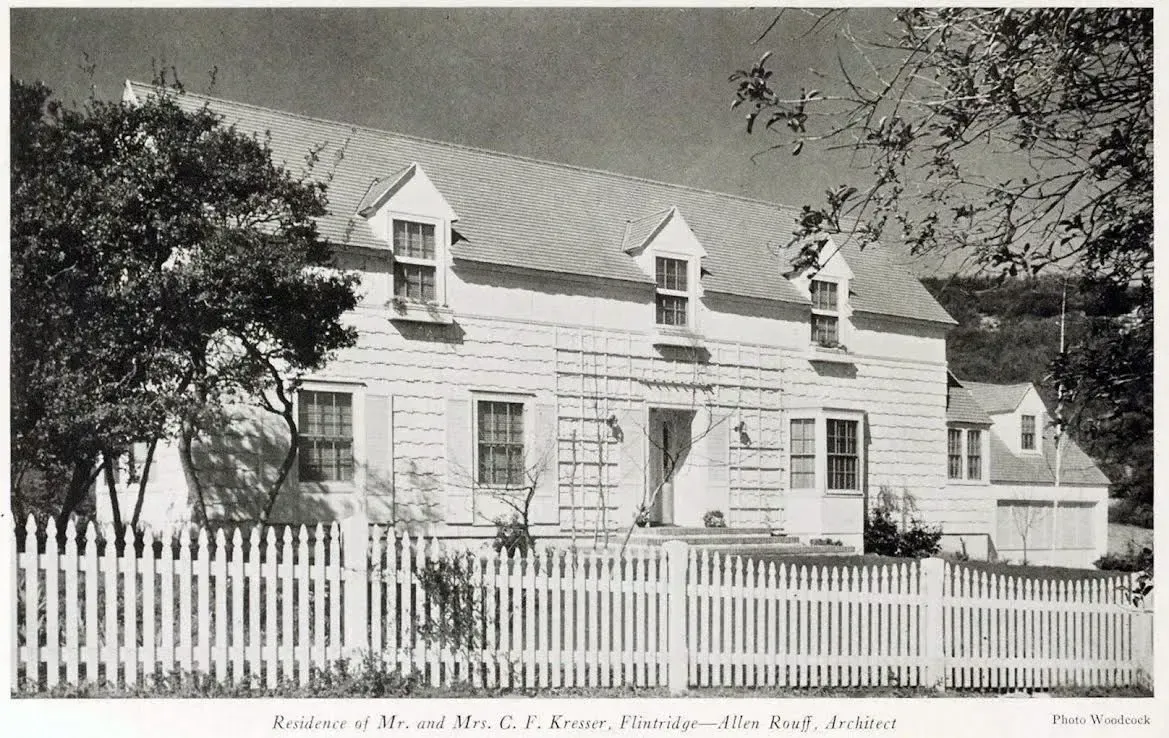
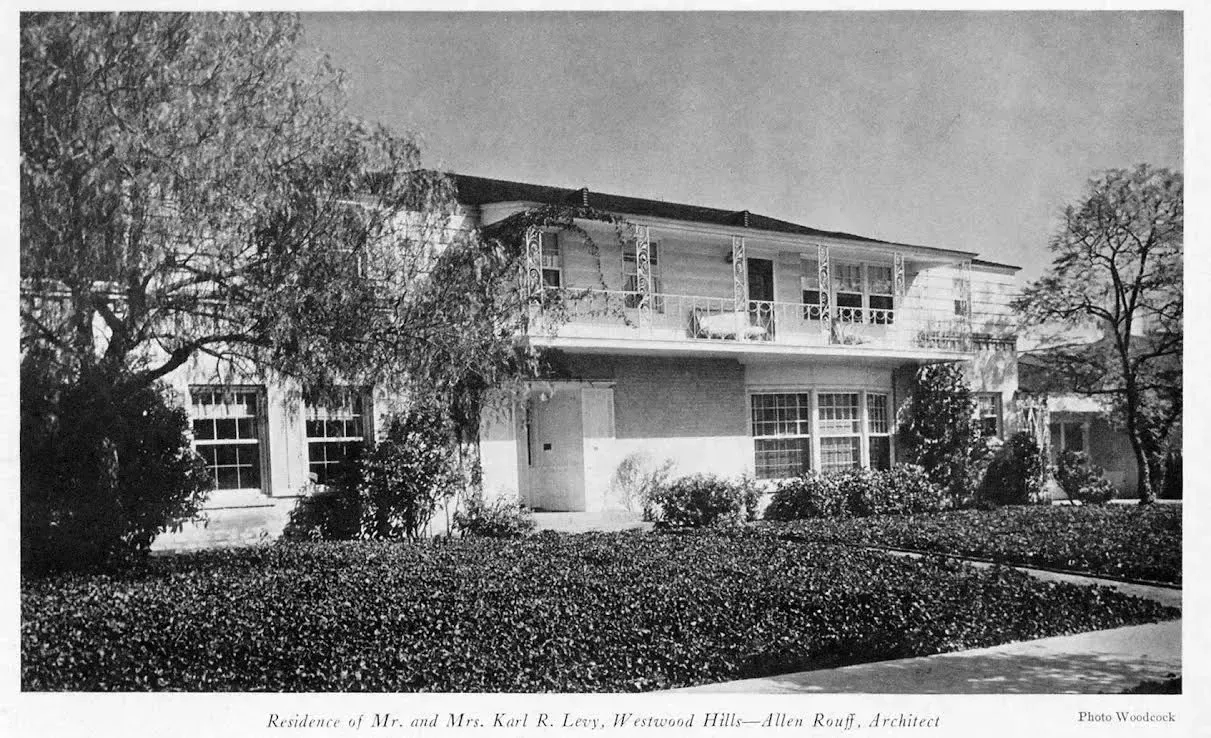
Ruoff branched out from Spanish to Pueblo, dove deep into Colonial, even mixing in some Streamline.
But back to the Ruoff & Munson house on Fryman Road. According to the Historic Resources Inventory, prepared by Historic Places LA, W. P. Story’s house appeared eligible for local and state designation as a historic resource, and eligible for the National Register:
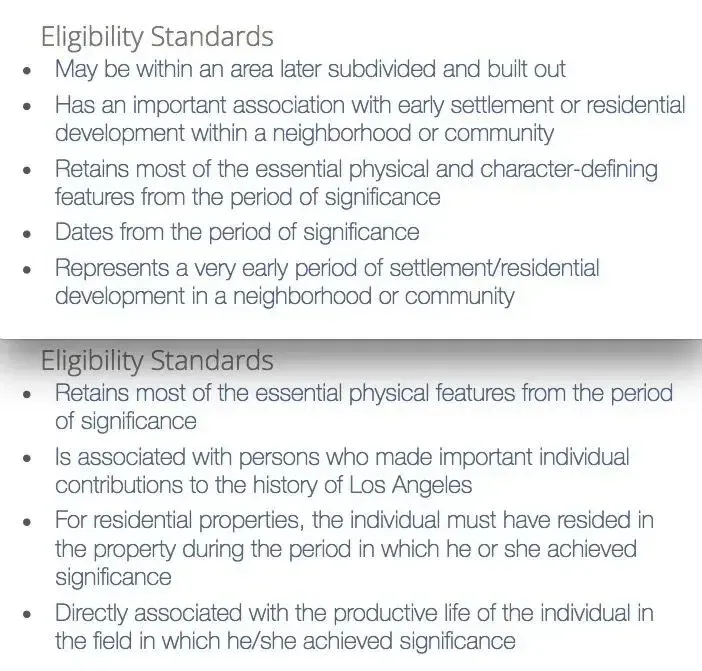

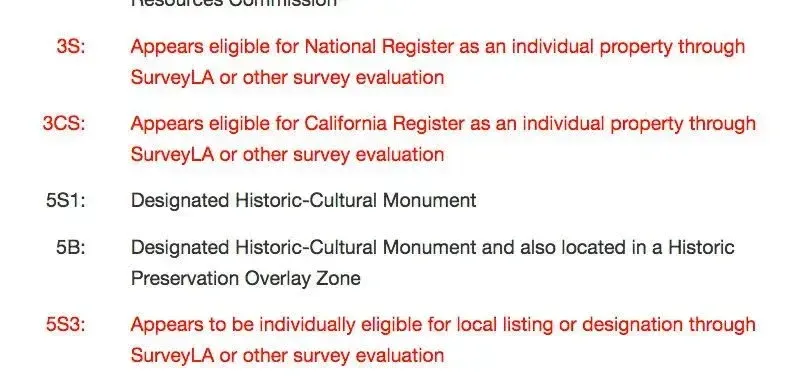
Of course, some people couldn’t give a flying fuck about any of that.
Enter Robert Diaz and Mark Panasuk.
What kind of people are they? The kind who see a listing like this:
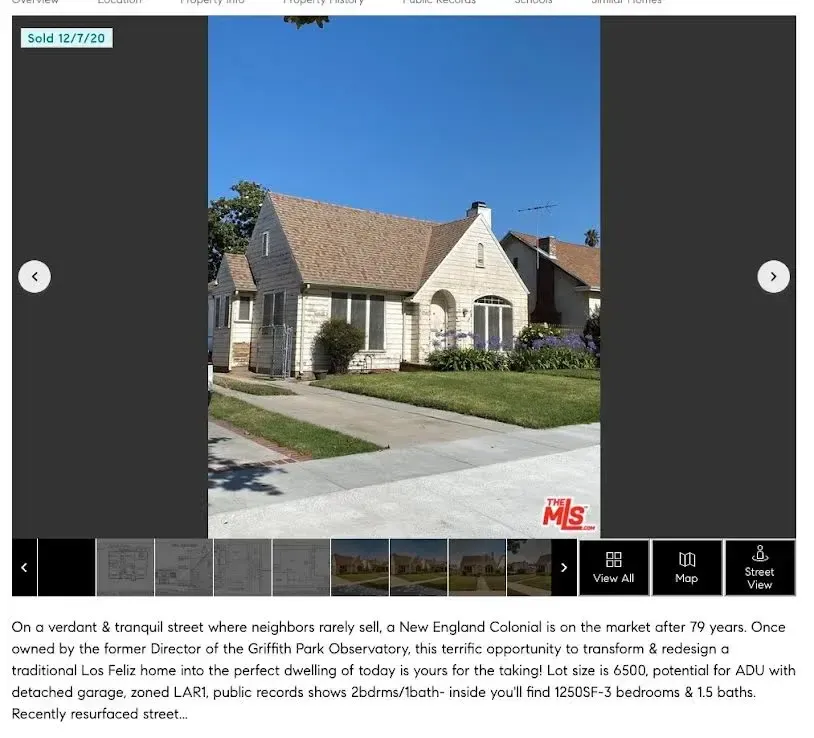
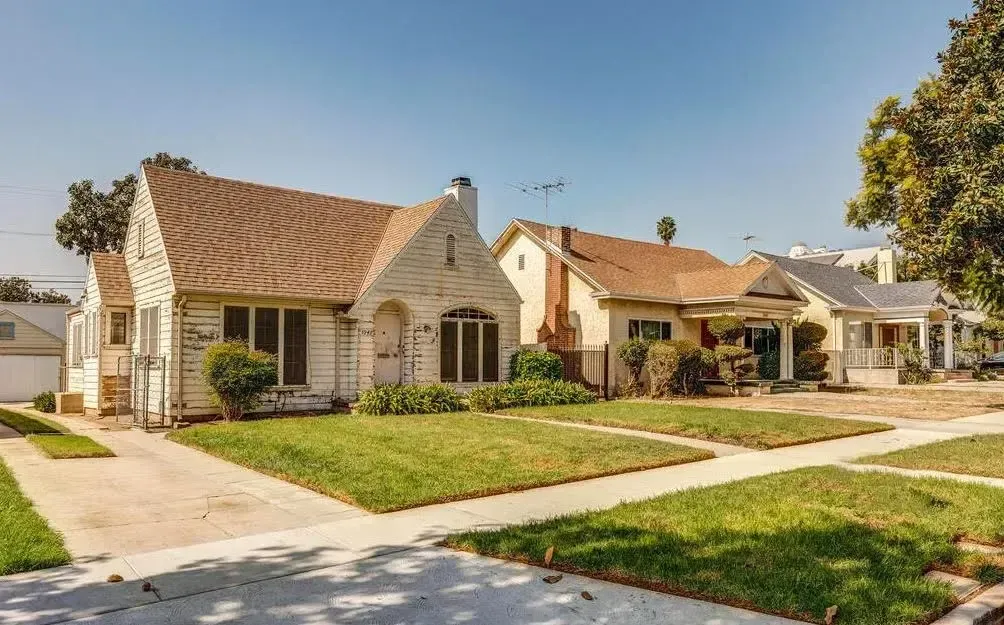
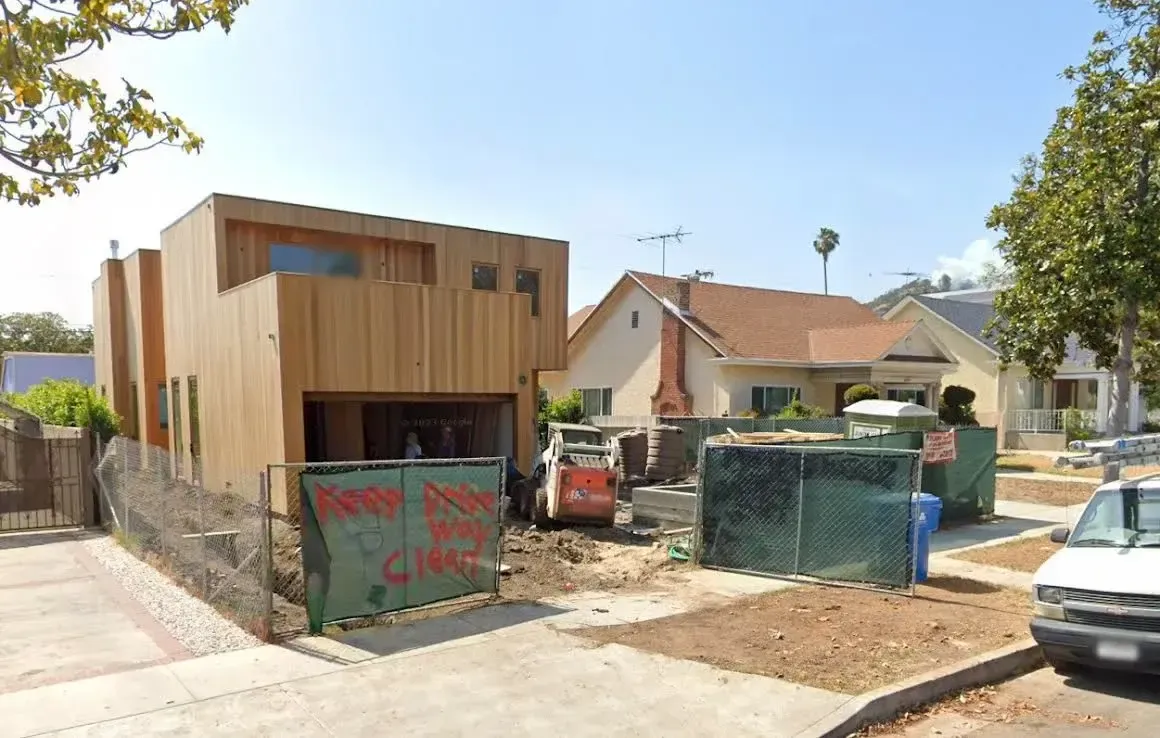
…buy it, and replace it with a beige box. So yeah, more of those guys.
The whole Diaz/Panasuk oeuvre is so grey and beige, they practically invented greige.
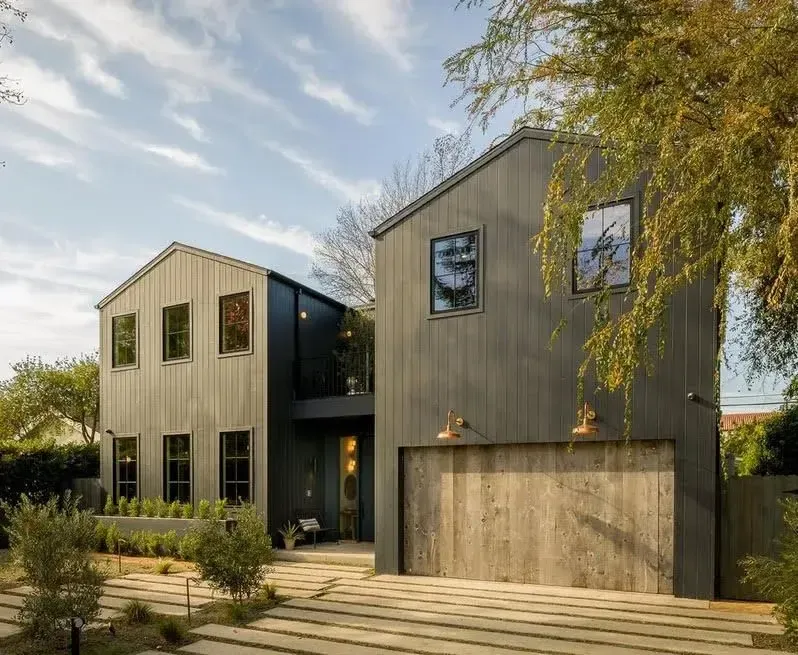
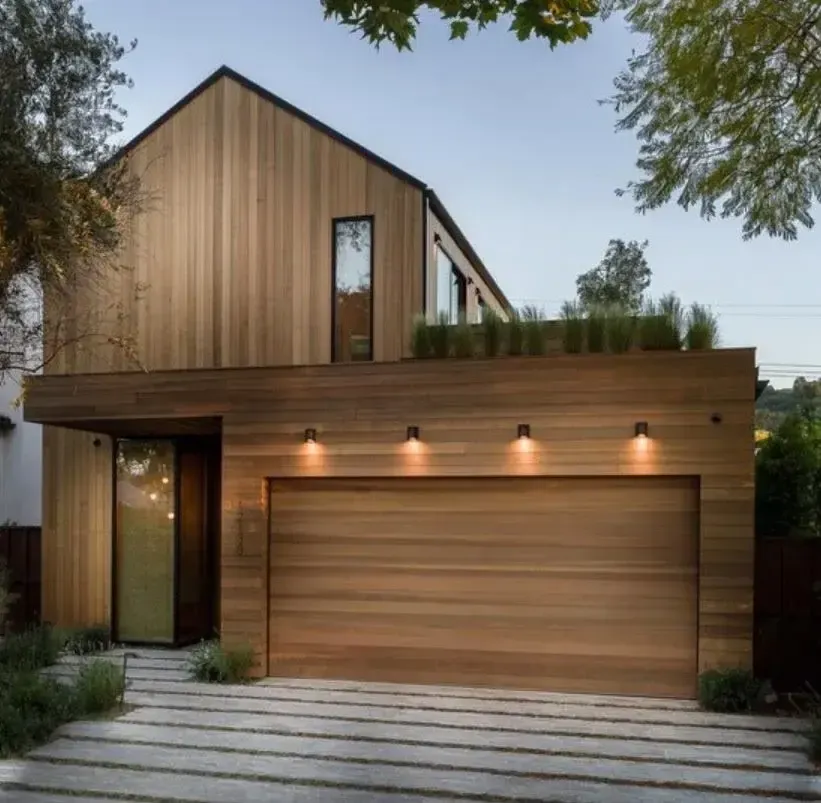
And you, you shall love it, because you need a lesson in serene minimalism.
So, therefore, goes the hundred-year-old Spanish Colonial by Ruoff & Munson:
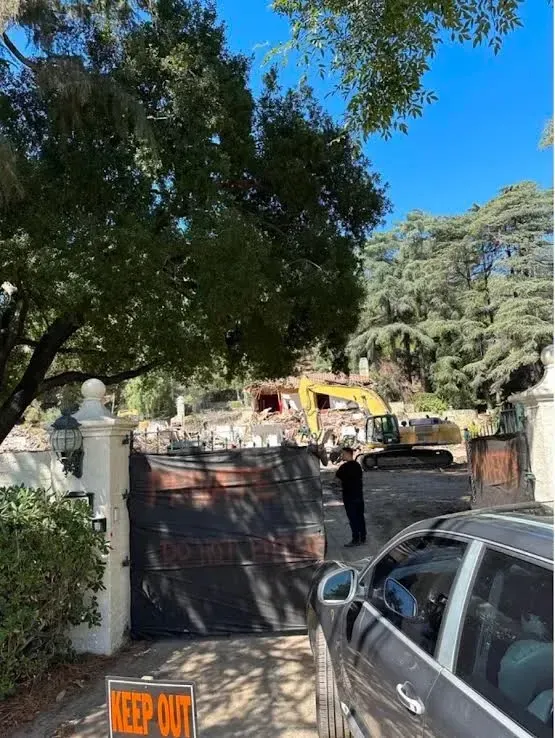
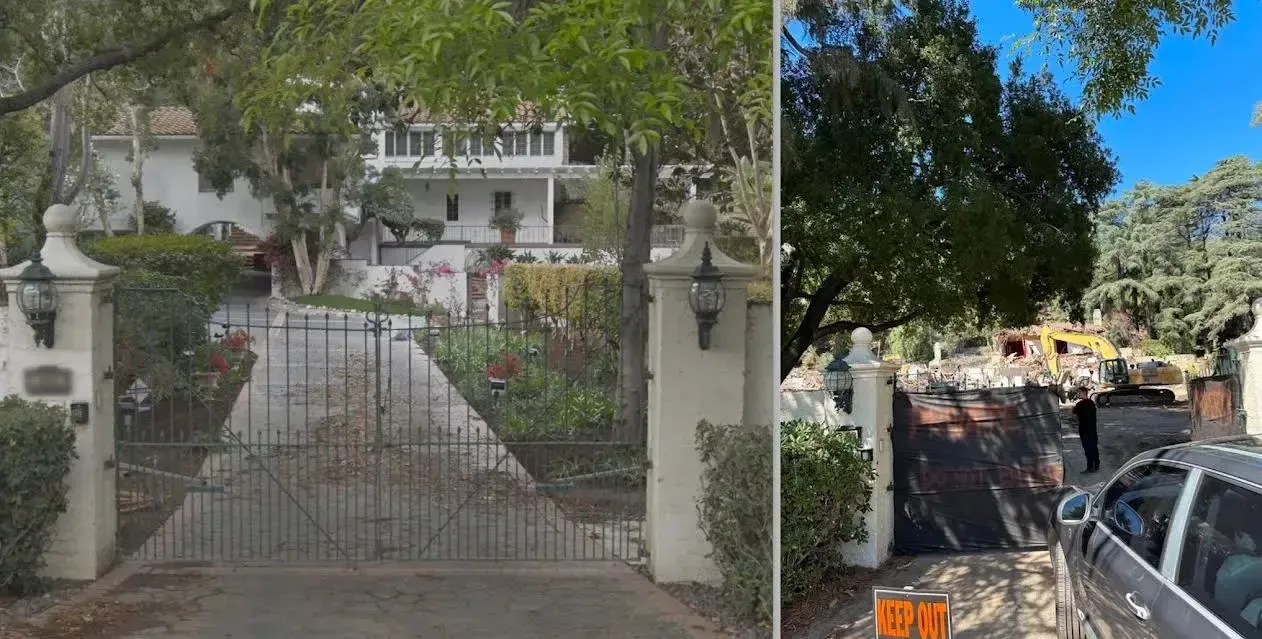
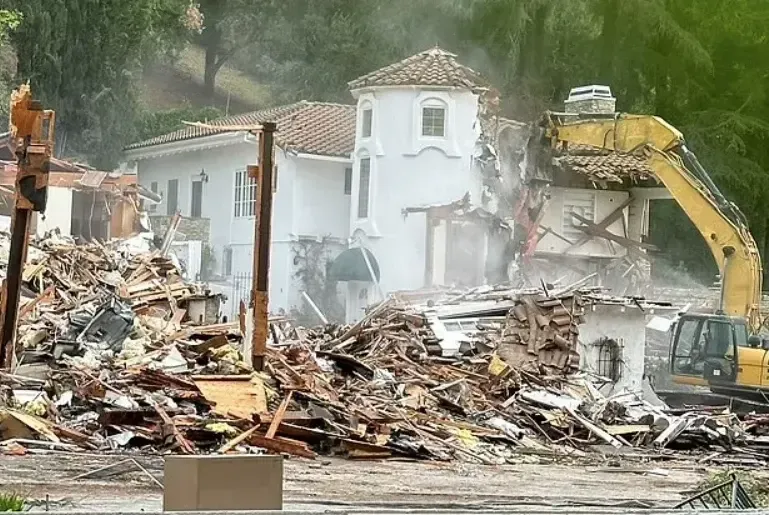
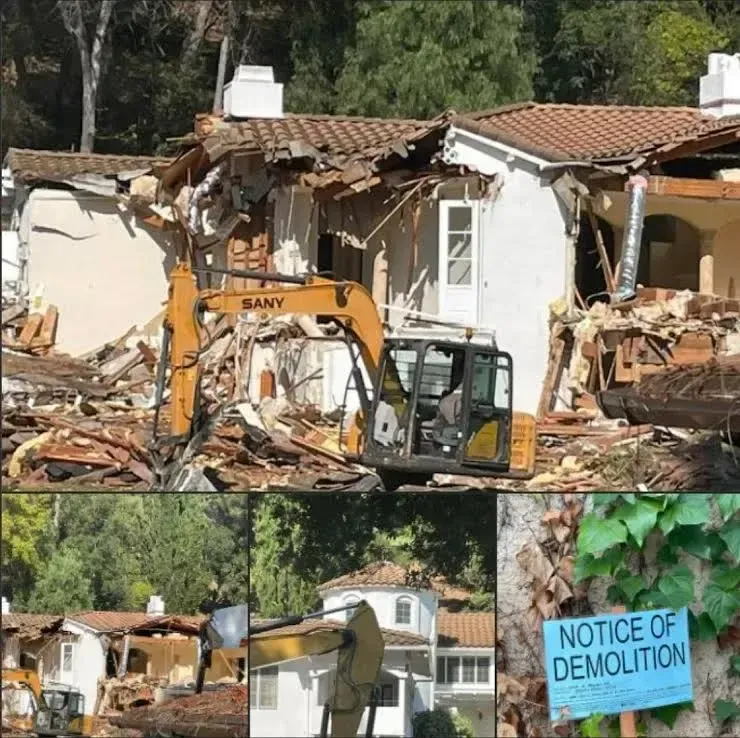

All so we can have more giant-ass greige boxes (I’m sorry, I mean “luxury homes” for “celebrity clientele”) which look more like hotels than houses. (I just linked to Kate Wagner, which I feel like doing again, as she speaks with erudition and insight on the state of modern built America.)
Don’t get me wrong, Diaz/Panasuk developments are still better than Tripalink, but that’s not saying much. And I haven’t seen Tripalink demolish a Ruoff & Munson…yet.